Harlem Trusted Locksmith Service Team
Local locksmith team
Jul 16, 2026 12 min read
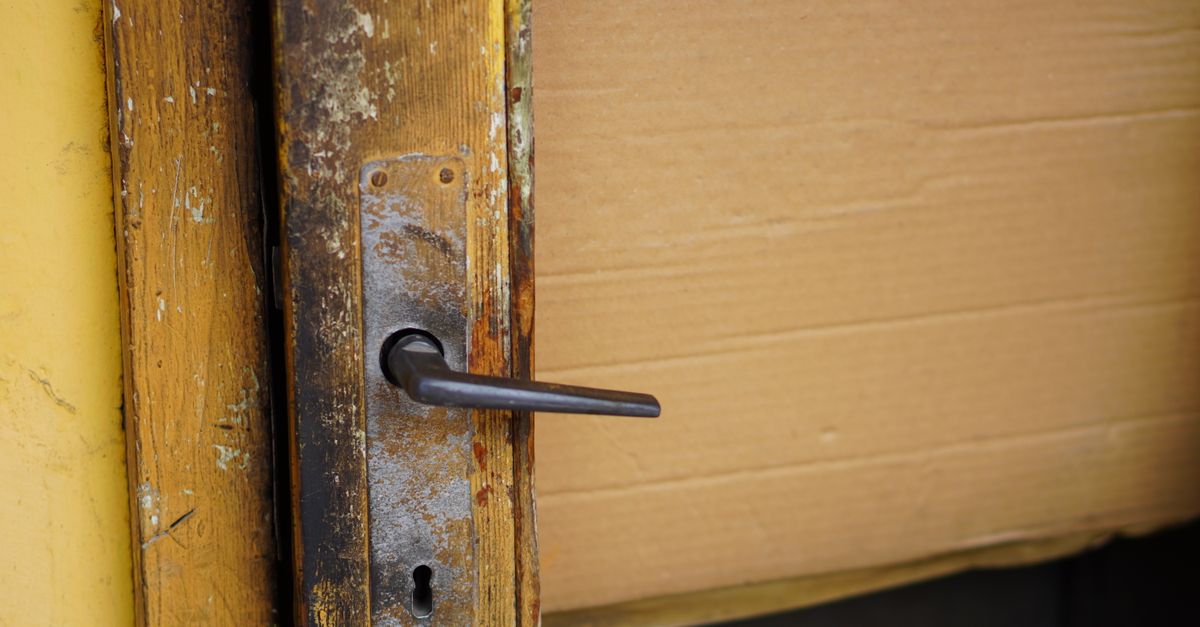
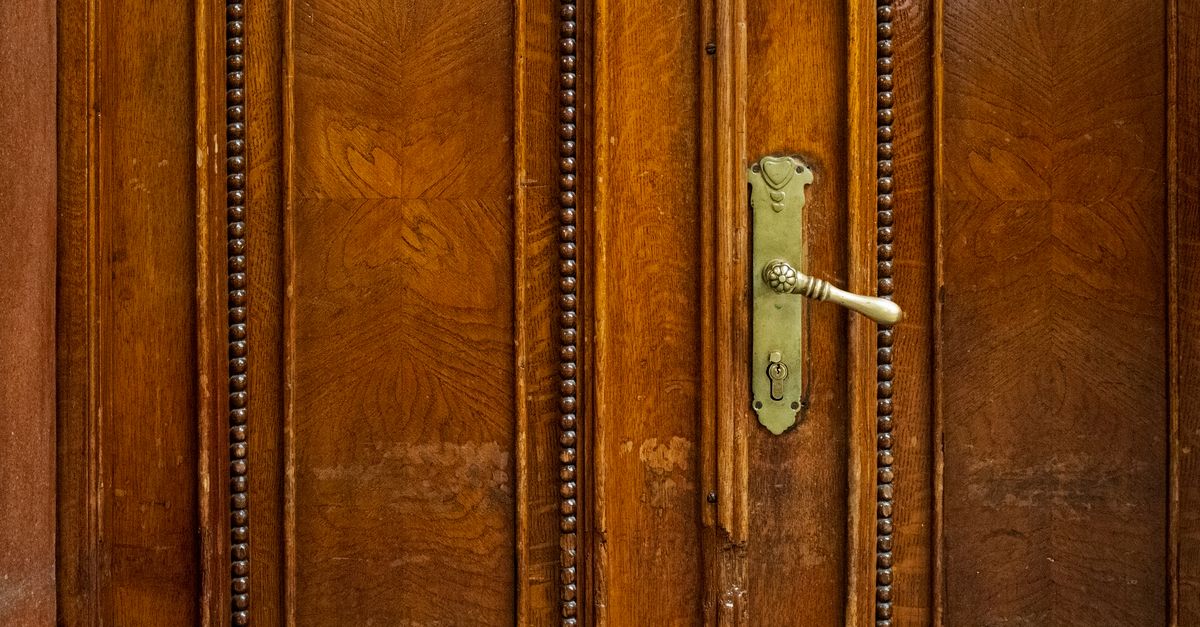
Walk down any block in Harlem — from Strivers' Row on West 138th Street to the landmarked brownstones lining Lenox Avenue — and you'll notice something the rest of Manhattan rarely has anymore: front doors fitted with deep, boxy hardware that sits flush inside the door's edge rather than bolting on top of it. That hardware is a mortise lock, and if you own or rent in one of Harlem's pre-war buildings, there's a good chance it's the only thing standing between your home and the street. Understanding what it is, why it's there, and how to keep it working is one of the smartest things a Harlem homeowner can do.
This guide breaks down the history and mechanics of the mortise lock, walks you through realistic maintenance steps you can handle yourself, explains when you genuinely need a professional locksmith, and answers the questions we hear most often at Harlem Trusted Locksmith — including how much NYC locksmith work actually costs and how to find a reputable locksmith when you need one fast.
## What a Mortise Lock Actually Is — and Why It Outlasted Everything Else
A mortise lock is a complete locking mechanism that lives inside a rectangular pocket — the 'mortise' — chiseled into the body of the door itself. Unlike a cylindrical lock (the standard door knob lock you see on most modern interior doors), a mortise unit houses the latch, the deadbolt, and often a secondary bolt all in one steel cartridge. The lock cylinder sits in the face of that cartridge; the escutcheon plate wraps around it on both sides of the door. The result is a mechanism that is mechanically captive within the door rather than surface-mounted, which makes it dramatically harder to kick in, pry, or shimmy.
New York City's building boom of the 1880s through the 1930s coincided almost perfectly with the golden era of mortise lock manufacturing. Builders in Harlem, the Upper West Side, and Brooklyn Heights specified mortise hardware because it met the fire and security codes of the time and because it was simply what skilled union carpenters knew how to install. When renovation waves hit in later decades, landlords on tighter budgets sometimes swapped mortise sets for cheaper cylindrical hardware — but in Harlem's protected historic districts, many buildings kept the originals. Those locks are now between 80 and 130 years old, and with proper care, they'll outlast everyone reading this article.
## How to Maintain Your Mortise Lock So It Lasts Another 100 Years
Maintenance is the single biggest factor separating a mortise lock that works smoothly in 2125 from one that seizes up this winter. The number-one enemy is dried-out lubrication. Most people reach for WD-40, but that's a mistake — it's a solvent and water displacer, not a long-term lubricant. Instead, apply a dry graphite lubricant or a Teflon-based spray directly into the keyway and along the bolt mechanism twice a year, ideally in early spring and late fall when New York's temperature swings are sharpest. Work the key back and forth several times after application to distribute the lubricant evenly.
Beyond lubrication, three things need regular inspection: the strike plate alignment, the set screws on the trim handles, and the cylinder itself. Harlem brownstones settle over decades — the original load-bearing masonry shifts, door frames rack slightly, and suddenly a bolt that once shot home cleanly now grinds against the strike plate. You can usually diagnose this by rubbing lipstick or chalk on the bolt face and closing the door to see where it's hitting. A minor misalignment means filing the strike plate opening a few millimeters; a major one means the door itself may need adjustment — a job for an experienced locksmith who works on pre-war wood frames regularly. If your handles feel loose, the set screws underneath the rose plate are almost certainly backing out; a small flathead screwdriver and two minutes is all it takes. If the key turns stiffly or not at all, resist the urge to force it — that's the fastest way to break a century-old cylinder that cannot simply be replaced with a hardware-store part.
## When to Call an Emergency Locksmith — and What to Expect on a Service Call
There is a version of mortise lock trouble that homeowners can address themselves, and there is a version that requires a trained locksmith. Knowing the difference saves you money and protects the door. DIY territory includes: lubricating the mechanism, tightening loose trim hardware, and adjusting a strike plate that's only slightly off. A professional locksmith is the right call when the cylinder has failed or been compromised, when the lock body itself is damaged (broken cam, stripped tailpiece, cracked case), when you're locked out and have already checked every other entrance and your spare key, or when you want to rekey the lock after a move, a break-in, or a lost key.
On the question of how much an NYC locksmith costs — and we hear this constantly — the honest answer is that it depends on several factors: the specific lock model and its age (antique mortise hardware sometimes requires machined parts rather than off-the-shelf replacements), the time of day (emergency calls outside business hours involve different logistics), travel distance, and the scope of work. What we can tell you is that at Harlem Trusted Locksmith, we confirm an exact price with you before any work begins — no surprises on the invoice. If you ever wonder how much should locksmiths charge or how much does a local locksmith charge, the right answer is always a firm quote up front, not a vague estimate that grows once the job is open. If you're in an emergency right now, call us at (646) 846-2026 — we answer around the clock and can give you a clear price over the phone.
## Rekeying, Upgrading Cylinders, and Knowing When to Change a Lock Entirely
One of the most common requests we get in Harlem is from new brownstone owners who have just closed on a property and inherited a ring of old keys with no idea how many copies are floating around. The right move in almost every case is to rekey the lock rather than replace the entire mortise unit. When a locksmith rekeys a lock, they disassemble the cylinder and swap out the internal pin stacks so that old keys no longer work — only new ones cut to the new combination will operate the lock. It's faster, less invasive, and keeps the original historic hardware intact. Rekeying is also the correct response after a tenant change, a relationship ending in a shared home, or a lost key set.
Sometimes rekeying isn't enough. If the mortise lock body itself is cracked, if the cylinder has been drilled or forced, or if the lock simply no longer throws the bolt reliably, then the right answer is to change the lock — specifically the mortise cartridge and cylinder together. This is not a project to hand to a general handyman unfamiliar with pre-war doors; the mortise pocket in a 1920s chestnut or oak door is a specific dimension, and forcing a wrong-sized unit can split the door stile. Our team carries a range of mortise-compatible cylinders — including high-security options that upgrade your protection significantly without altering the door's exterior appearance, which matters in Harlem's landmarked districts. If you've been wondering how to change a door lock on a brownstone door specifically, the short answer is: the lock body swap is manageable for an experienced locksmith in under an hour, and the result is a door that looks period-correct from the street but meets modern security standards from the inside.
## How to Find a Reputable Locksmith in NYC — and Why It Matters for Pre-War Hardware
Mortise locks are not common knowledge among every locksmith working in New York today. A significant portion of the industry focuses on modern cylindrical hardware, smart locks, and automotive work — all legitimate, but not the same skill set as diagnosing a 1910 Sargent mortise set or sourcing a replacement tailpiece for a Russell & Erwin body. When you're asking how to find a reputable locksmith in NYC for this kind of work, the criteria matter more than they do for a simple deadbolt swap.
Here's what to look for: a locksmith who asks clarifying questions about your door and lock before quoting (that signals real familiarity with the work), one who gives a firm up-front price rather than an estimate with asterisks, one who arrives in a marked vehicle with identifiable credentials, and one who doesn't pressure you to replace hardware that can legitimately be repaired. At Harlem Trusted Locksmith, our team has worked on the full range of pre-war hardware across upper Manhattan — from the grand brownstones of Hamilton Heights to the rowhouses tucked behind Marcus Garvey Park. We are insured, operate 24 hours a day, seven days a week, and we treat century-old hardware with the respect it deserves rather than defaulting to 'just replace it.' Whether you're dealing with a routine maintenance question, a lockout, a rekey after a new purchase, or a cylinder upgrade, we're reachable any time at (646) 846-2026.
## Our Full Range of Locksmith Services for Harlem and Greater NYC
Harlem Trusted Locksmith is a fully mobile operation serving all five boroughs and surrounding areas. Here is a specific look at what our experienced team handles every day: residential lockout response for apartment and brownstone doors, mortise lock repair and restoration, mortise lock cylinder replacement, residential rekey service, deadbolt installation on existing pre-war frames, high-security cylinder upgrades (including Medeco and Mul-T-Lock compatible formats), master key system design for multi-unit brownstones, door knob lock repair and replacement, door frame and strike plate reinforcement, mailbox lock replacement, gate and padlock service, sliding door lock repair, window lock installation, commercial lockout response, commercial door hardware installation, panic bar and exit device service, access control system installation, keypad door lock programming and code changes, smart lock installation and troubleshooting, safe opening and combination changes, automotive lockout service, car key replacement and duplication, transponder key programming, ignition repair and replacement, and broken key extraction from any lock type.
## A Note on Keypad Locks, Smart Locks, and the Question Every New Owner Asks
Not every Harlem brownstone owner wants to preserve the original mortise hardware forever — some convert a secondary door or a gate to a keypad or smart lock, particularly for rental units or home offices. If you've inherited a keypad lock and need to know how to change the code on a keypad door lock, the process varies by brand but typically involves holding the programming button on the interior unit, entering the current master code, then entering your new code twice. If you don't have the current master code — common with a recently purchased building or a new tenancy — the unit usually needs to be factory reset, a process that varies by model and sometimes requires removing the interior panel. For Schlage, Kwikset, and most other major brands, our team can walk you through a reset on the phone or handle it in person as part of a broader door hardware service visit.
The broader point here is that a mixed hardware approach — a restored original mortise lock on your main entry, a modern keypad or smart lock on a secondary access point — is genuinely practical and very common in Harlem's evolving housing stock. Getting both types of hardware set up correctly, and keeping them maintained, is exactly the kind of service our mobile team provides across upper Manhattan and beyond.
Frequently asked questions
How much does an NYC locksmith cost for mortise lock work specifically?+
The final price depends on several factors: the age and model of your mortise lock (antique units sometimes need machined or special-order parts rather than stock replacements), the scope of work (a simple rekey is a different job than a full cartridge replacement), the time of day you call, and travel distance to your location. At Harlem Trusted Locksmith, we give you a firm, confirmed price before any work begins — not a vague estimate that changes once we open the lock. Call (646) 846-2026 for a clear quote.
How much should an emergency locksmith cost, and is it different from a regular call?+
Emergency calls — meaning after-hours lockouts, weekend service, or urgent situations — typically involve different logistics than scheduled daytime appointments, and that is one of the factors that can affect the final price. How much does an emergency locksmith cost near me is one of the most common questions we hear, and the honest answer is: it depends on the lock type, what needs to be done, and when you call. What never changes at Harlem Trusted Locksmith is that we confirm the exact price with you before starting. No work begins without your approval.
Can I rekey my Harlem brownstone's mortise lock myself, or do I need a locksmith?+
Rekeying a mortise lock is significantly more involved than rekeying a standard cylindrical lock because the cylinder must be removed from the mortise cartridge, disassembled, repinned to the new key cuts, and reinstalled correctly — all without damaging antique hardware that may be irreplaceable. Most homeowners do not have the pin kit, follower tool, or cylinder-specific knowledge to do this reliably. A trained locksmith can rekey a mortise cylinder cleanly in a single visit, often in under 30 minutes, and can flag any wear or damage in the lock body while they have it open.
How do I find a reputable locksmith in NYC who actually knows pre-war mortise hardware?+
Ask specifically about mortise lock experience before committing to any locksmith. A qualified technician will ask you clarifying questions — the lock manufacturer if visible, the door thickness, whether the trim is original — before quoting. They should provide a firm up-front price, arrive in an identifiable vehicle, and not default to 'just replace it' when repair is genuinely the better option. Harlem Trusted Locksmith's team works on pre-war hardware throughout upper Manhattan and is available 24 hours a day at (646) 846-2026.