Harlem Trusted Locksmith Service Team
Local locksmith team
May 21, 2026 12 min read
If you own rental property on West 145th Street, manage a storefront near the Apollo Theater, or oversee a multi-unit building anywhere in the five boroughs, New York City's lock and exit regulations are not optional reading — they carry real fines, failed inspections, and in the worst cases, liability after an emergency. Yet most landlords and business owners learn about panic hardware requirements, self-closing door mandates, and legal deadbolt rules only after a violation notice lands in their mailbox.
This plain-English guide breaks down what the NYC Building Code, the FDNY, and the New York City Housing Maintenance Code actually require — covering everything from the correct door knob with lock and key configuration on a residential unit to full panic-bar compliance on a commercial egress door. Harlem Trusted Locksmith is a 24/7 mobile team serving New York, NY, and we handle the mortise lock installations, panic hardware upgrades, and door-knob-and-deadbolt retrofits that bring buildings into compliance fast.
## What NYC Law Actually Says About Door Knob Lock Hardware and Deadbolts
Under New York City's Multiple Dwelling Law and the NYC Housing Maintenance Code, every tenant-occupied unit in a Class A or Class B multiple dwelling must have a deadbolt lock on the entrance door — specifically, a bolt that throws at least one inch and that only the tenant can operate from inside without a key. That means a simple door knob with lock and key alone does not satisfy the legal minimum for a residential apartment door; a separate deadbolt is required. The classic solution — and the one our mortise lock installations deliver — is a single-unit mortise lock body that combines a latch, a deadbolt, and a knob or lever into one reinforced steel housing set directly into the door's edge. Mortise locks meet the throw-distance requirement, resist kick-in attempts far better than cylindrical bores, and are the hardware of choice for pre-war New York buildings whose heavy wood and steel doors were designed around them.
For exterior doors in one- and two-family homes, the same logic applies: an exterior door knob with lock and key is a starting point, but it must be paired with a deadbolt lock and door knob set that meets ANSI Grade 1 standards for residential use, or Grade 2 at minimum. If your door currently has a backset rim lock and knob set — the surface-mounted style common in older Harlem and Washington Heights brownstones — it needs to be inspected carefully. Rim locks are legal, but the bolt-throw and reinforcement must meet current code, and many original rim lock and knob sets installed decades ago no longer pass inspection. Our experienced locksmiths assess existing hardware, explain exactly what needs upgrading, and handle the installation the same visit.
## FDNY Panic Hardware Rules: When a Door Knob Lock Is Not Enough
The FDNY, working alongside the NYC Building Code (Title 27 and the newer 2022 Construction Codes), mandates panic hardware — also called crash bars or exit devices — on any door that serves as a required means of egress from an assembly occupancy. That covers restaurants, retail spaces, houses of worship, event venues, gyms, and any other space where 50 or more people may occupy a room simultaneously. The rule is straightforward: if someone needs to push a door open while panicking, they should be able to do so with a single, unobstructed motion, using body pressure alone. A standard door knob lock, a sliding bolt, or a padlock on the inside of an egress door is a code violation in these occupancies — full stop.
Panic hardware must also be installed on all stairwell and exit corridor doors in high-rise buildings (generally buildings over 75 feet in NYC). The device must allow free egress at all times the building is occupied, must not require prior knowledge or a key to operate from the egress side, and must be listed by a recognized testing laboratory. Importantly, some occupancies are permitted to use door alarms instead of panic bars on certain secondary exits, but that exception has specific paperwork and FDNY approval requirements attached to it. Our commercial locksmith team handles panic hardware specification, sourcing, and installation and can work directly from your building's Certificate of Occupancy to confirm which doors are affected before a single screw is turned.
## Self-Closing Doors, Fire Stairwells, and the Mortise Lock Connection
NYC Local Law 10 of 2019 — commonly called the Self-Closing Doors Law — requires that every door opening into a stairwell in a multiple dwelling be self-closing and self-latching. This means the door must swing shut under its own spring or hydraulic closer and latch completely without any human assistance. A door that rests against its frame without latching is not compliant. This requirement protects the stairwell's role as a smoke-free evacuation path and directly affects what lock hardware is acceptable. A mortise lock with a reliable latch-spring mechanism is the standard choice for stairwell doors precisely because it ensures positive latching every time the door closes, without occupants having to pull the door shut behind them.
For landlords, enforcement comes from the NYC Department of Housing Preservation and Development (HPD) and the Department of Buildings (DOB). Inspectors can issue Class C immediately hazardous violations for propped-open or non-self-closing stairwell doors — the most serious violation category, with cure deadlines as short as 24 hours. If you receive one of those notices, calling a 24/7 emergency locksmith team is the practical answer. Harlem Trusted Locksmith stocks door closer hardware and mortise lock bodies for the most common door preparations in New York buildings and can respond around the clock to bring stairwell doors into compliance before your cure deadline expires. Call us at (646) 846-2026 and we will confirm an exact price before any work begins.
## How Much Does an NYC Locksmith Cost for Compliance Work — and What Determines the Price?
Questions like 'How much does an NYC locksmith cost?' and 'How much does a local locksmith charge?' come up constantly when building owners start mapping out compliance projects. The honest answer is that there is no universal flat rate, and any locksmith who quotes a compliance job accurately cannot give you a real number without knowing the specifics of your situation. The factors that shape the final quote include: the type and condition of the existing door preparation (a door pre-cut for a mortise lock costs less to upgrade than one that needs boring and reinforcement), the grade and brand of hardware specified — Schlage and Kwikset commercial lines, for example, carry different price points — the number of doors involved, the time of day the work is requested, and the travel distance to your location.
For emergency calls — the scenario behind 'How much should an emergency locksmith cost?' or 'How much does an emergency locksmith cost near me?' — after-hours availability is factored into the quote, which is why transparency matters. Harlem Trusted Locksmith confirms an exact up-front price before any work begins, every time, whether it is a single bedroom door knob with lock and key replacement at 2 a.m. or a multi-door panic-hardware retrofit during business hours. You will never receive a surprise bill. The same principle applies to commercial locksmith projects for retail or office spaces: we assess, we quote, you approve, and then we work. For an honest sense of scope on your specific building, call (646) 846-2026 — we answer 24/7.
## How to Find a Reputable Locksmith NYC Buildings Can Actually Rely On — and What Our Team Covers
The question 'How to find a reputable locksmith in NYC?' matters especially when compliance deadlines and liability are on the line. The practical markers of a trustworthy team are simple: they show up when they say they will, they explain the work in plain language, they provide a written price before starting, and they carry insurance. Harlem Trusted Locksmith is insured, mobile, and available 24 hours a day across New York. Our experienced technicians have worked in pre-war walk-ups in Harlem, modern mixed-use buildings in Midtown, and everything in between — and we understand the specific quirks of New York door frames, aging mortise pockets, and the retrofit challenges that come with landmark-designated buildings.
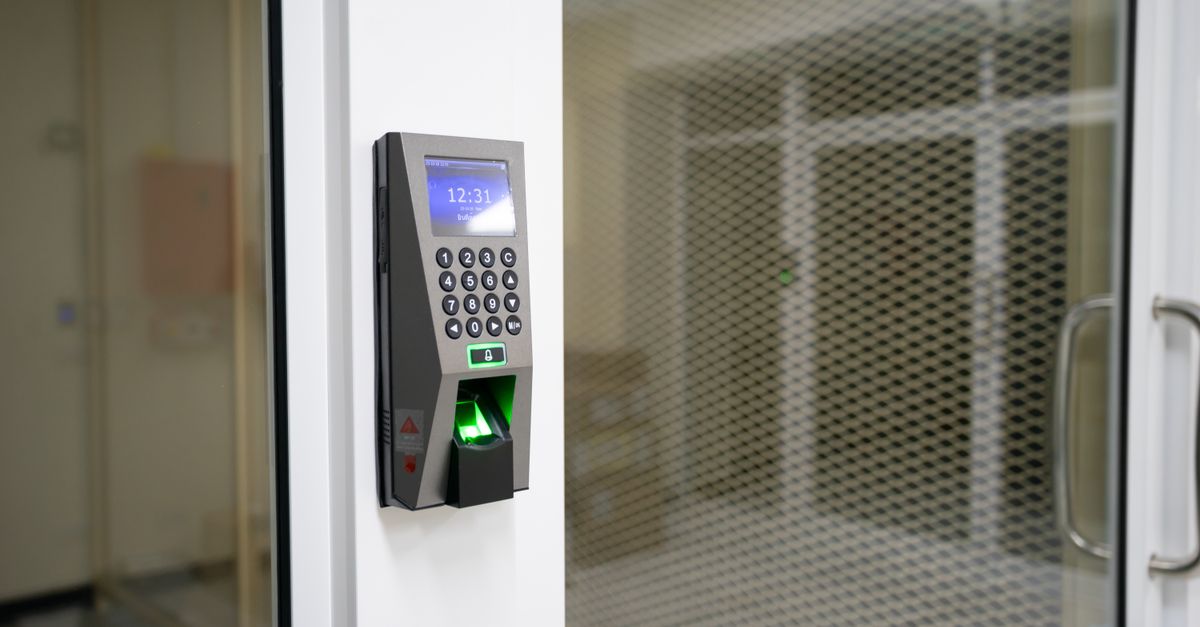
Here is a specific look at the full range of services our team provides, so you know exactly what one call to (646) 846-2026 can accomplish: residential mortise lock installation and repair, panic bar and exit device installation, self-closing door closer installation and adjustment, deadbolt lock and door knob set installation, exterior door knob with lock and key replacement, interior door knob with lock and key replacement, rim lock and knob set upgrades, backset rim lock and knob set assessment and replacement, high-security cylinder rekeying, master key system design and installation, residential lockout response, commercial lockout response, lock rekeying after tenant turnover, door reinforcement and strike plate upgrades, padlock and hasp installation for storage and utility areas, access control system installation, keypad and smart lock installation, safe opening and combination changes, automotive lockout response, car key replacement and programming, transponder key cutting, broken key extraction, door frame and jamb repair after forced entry, mailbox lock replacement, intercom and buzzer lock pairing, NYC HPD violation cure support, FDNY panic hardware retrofits, and emergency after-hours response for commercial and residential properties. That is a single, insured, mobile team — no dispatch to an unknown subcontractor.
## Why Harlem Trusted Locksmith Is the Team New Yorkers Call First
Being a 24/7 mobile locksmith in New York is not just about showing up — it is about showing up prepared. Our vehicles are stocked with mortise lock hardware, panic device components, door closers, cylinders, and the key-cutting equipment needed to handle jobs without a second trip. When a building superintendent on Lenox Avenue gets an HPD violation notice at 9 p.m., or when a restaurant owner in East Harlem realizes their panic bar has seized hours before the dinner rush, the call goes to a team that can actually solve the problem the same night.
We do not use bait-and-switch pricing, we do not send inexperienced technicians on complex commercial jobs, and we do not walk away from a door until it latches, locks, and meets the requirement it was installed to satisfy. Our work reflects what it means to serve a neighborhood — Harlem has trusted this team because we treat every building and every deadline as seriously as the people who live and work inside them. If you are a landlord, property manager, or business owner navigating NYC's lock and exit rules, our skilled locksmiths are ready to help right now. Call (646) 846-2026 — we answer 24/7, every day of the year.
## A Fast 24-Hour Emergency Locksmith Response Across New York City
Compliance emergencies do not wait for business hours, and neither do we. Whether it is a stairwell door that will not latch at midnight, a panic bar that failed before a weekend event, or a tenant lockout on a Sunday morning, Harlem Trusted Locksmith dispatches immediately across New York — from Harlem and Washington Heights down through Midtown, the Upper East Side, and into the outer boroughs. Our qualified technicians assess the situation on arrival, confirm your price before touching anything, and complete the work to code. For any lock, any door, any time — call (646) 846-2026.
Frequently asked questions
Does NYC law require a deadbolt in addition to a door knob with lock and key on apartment doors?+
Yes. The NYC Multiple Dwelling Law requires that each apartment entrance door be equipped with a deadbolt lock with at least a one-inch throw, operated from the inside without a key. A door knob with lock and key alone — even a high-quality one — does not satisfy this requirement. The most compliant and durable solution in New York buildings is a mortise lock, which integrates a deadbolt and latch in a single reinforced housing. Our locksmiths assess existing hardware and install or upgrade to code-compliant mortise lock systems in a single visit.
What is panic hardware and which NYC buildings are required to have it?+
Panic hardware, or a crash bar, is an exit device that allows a door to be pushed open by body pressure alone from the egress side, without any turning, twisting, or prior knowledge of the mechanism. NYC and FDNY codes require it on required egress doors in assembly occupancies — restaurants, retail stores, gyms, event spaces, and similar venues where 50 or more occupants may be present — as well as on stairwell and exit corridor doors in high-rise buildings. A standard door knob lock or interior bolt is a code violation on these doors. Harlem Trusted Locksmith installs and services panic hardware for commercial buildings across New York.
How much should an emergency locksmith cost for a compliance job in NYC?+
There is no single answer, because the price depends on several real factors: the type of door and lock hardware involved, the complexity of the installation or repair, the parts required, whether the job is requested during standard hours or overnight, and travel distance to your location. What we can promise is that Harlem Trusted Locksmith confirms an exact, transparent price before any work begins — no hidden fees, no surprise totals at the end. For a precise quote on your specific situation, call (646) 846-2026 and speak directly with our team, any time of day or night.
My building received an HPD violation for a stairwell door that will not self-close. How quickly can this be fixed?+
Class C HPD violations — the most serious category — can carry a cure deadline as short as 24 hours, so speed matters. Harlem Trusted Locksmith responds around the clock and carries door closer hardware and mortise lock components in our vehicles. In most cases, a stairwell door that fails to self-close or self-latch can be brought into compliance in a single visit through closer installation, adjustment, or mortise lock repair. Call (646) 846-2026 as soon as you receive the notice — we will confirm availability, assess the door on arrival, and give you an exact price before we begin.