Harlem Trusted Locksmith Service Team
Local locksmith team
Mar 26, 2026 13 min read
Living in New York City means your front door lock works overtime — through humid summers that warp wooden frames along Amsterdam Avenue, bitter winters that freeze deadbolts solid, and the daily grind of keys turning thousands of times a year. Most locks don't quit all at once. They send warning signals for weeks before they finally give out, and the homeowners who catch those signals early are the ones who never end up stranded on their stoop at midnight.
This guide covers the five most common signs that your door lock is approaching the end of its life, with special attention to the mortise lock systems found in so many pre-war Harlem and Upper Manhattan buildings. Whether you're dealing with a sticking deadbolt, a loose door knob lock, or sliding door lock hardware that no longer latches cleanly, knowing what to look for — and acting before the failure — can save you a genuine emergency. Our team at Harlem Trusted Locksmith is available around the clock if you need a professional assessment today.
## Sign 1: Your Key Sticks, Grinds, or Requires Force to Turn — Classic Mortise Lock Warning Signs
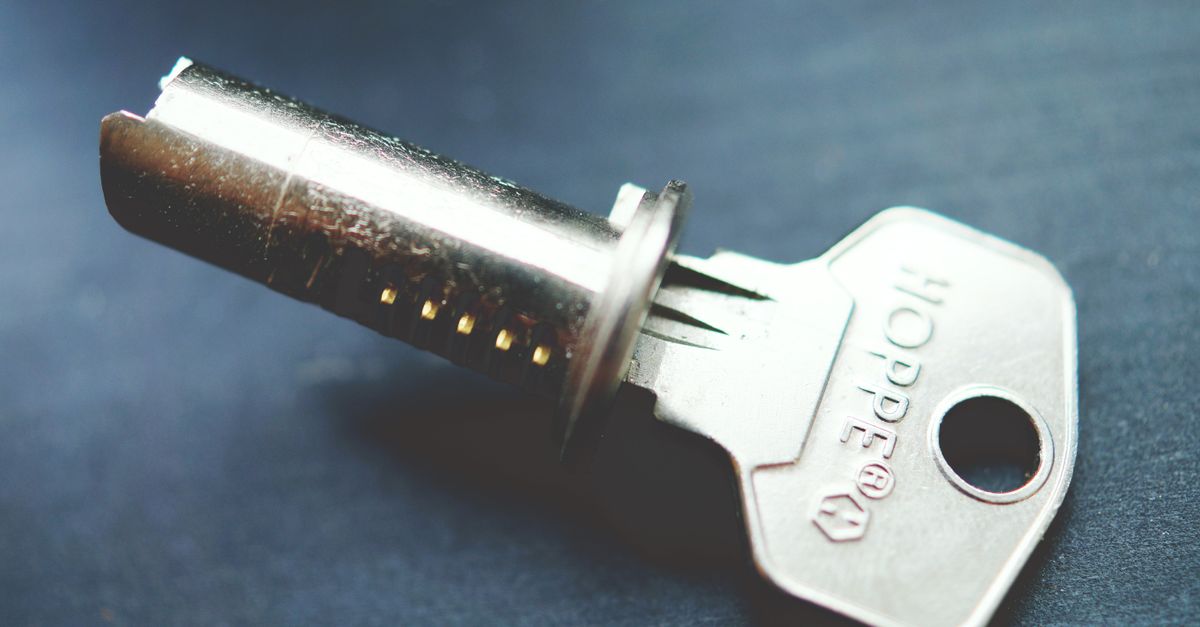
A key that used to slide in effortlessly but now needs a firm twist, a wiggle, or a prayer is not a minor annoyance — it is the most consistent early warning sign of lock failure. Inside a mortise lock, the internal cam, springs, and levers wear down over years of use. When metal-on-metal friction increases, the key has to work harder to move the mechanism through its range of motion. In older NYC brownstones and co-op buildings, mortise lock cartridges are often decades old and were never replaced by successive tenants or owners. The grinding you feel is those worn components losing their tolerance.
The practical fix depends on what is actually failing. Sometimes the issue is as simple as a dry cylinder that needs graphite lubricant — never oil-based products, which attract grime and worsen the problem over time. Other times the mortise lock body itself has cracked internally or the tailpiece that connects the cylinder to the bolt mechanism has sheared partially. A skilled locksmith can diagnose the difference in minutes. If the cylinder is the only culprit, a straightforward door lock installation of a new cylinder into the existing mortise body may be all that is needed. If the mortise body itself is failing, a full mortise door lock replacement is the right call. Either way, waiting until the key refuses to turn entirely — usually at the worst possible moment — is the scenario you want to avoid.
## Sign 2: The Door Knob Lock or Handle Feels Loose, Wobbly, or Spins Freely
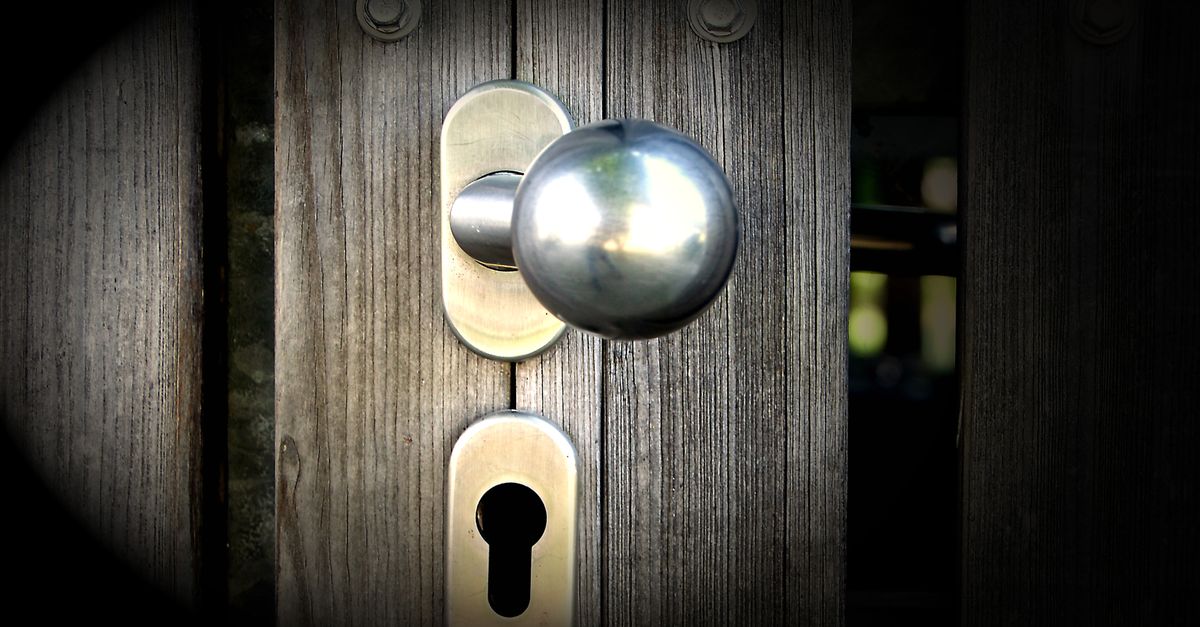
A door knob lock that wobbles when you grip it, or a lever handle that has developed noticeable play, is telling you that the internal mounting screws, spindle, or rose plate have loosened or stripped. In high-traffic New York apartments where multiple people use the same entrance dozens of times a day, this kind of mechanical fatigue is common and accelerates quickly once it starts. What begins as a slight wobble can progress to a handle that spins without engaging the latch — meaning the door appears to latch but provides almost no resistance.
Before calling it a total loss, check whether the visible set screws on the knob or handle base are simply loose — tightening them is a legitimate first step any homeowner can try. But if the spindle inside has worn to an oval shape, if the rose plate is cracked, or if the latch mechanism no longer retracts fully, the hardware needs to be replaced. This is also a good moment to think about upgrading. Many older NYC apartment doors still use passage or privacy knob sets that offer minimal security. Replacing them with a properly installed deadbolt or a modern mortise lock setup dramatically improves protection. Our team handles door knob lock replacement and full door lock installation across the boroughs — call (646) 846-2026 to schedule an on-site evaluation.
## Sign 3: Sliding Door Lock Replacement Is Overdue — Latch Misalignment and Corroded Hardware
Sliding doors — whether leading to a terrace in a Riverside Drive high-rise, a backyard in Inwood, or a garden-level unit in Central Harlem — use a fundamentally different locking mechanism than hinged doors, and they fail in different ways. The most common sliding door lock problems are latch misalignment (where the lock body no longer lines up with the strike plate or keeper because the door has shifted on its track) and corrosion on the internal locking bar or hook bolt.
Corrosion is especially aggressive on exterior sliding doors exposed to New York's humid summers and salt-laden winter air near the Hudson. A hook bolt that used to snap firmly into the keeper may now move sluggishly, fail to fully extend, or retract only with significant force. Misalignment, on the other hand, often appears as a door that locks but can be jiggled open, or one that requires you to lift the door panel slightly to get the lock to engage — a clear sign the track or latch mechanism has shifted. Sliding door lock replacement addresses both issues: a new lock body restores clean engagement, and a professional installation ensures the new hardware is calibrated to the current position of the door in its track. Attempting to force a misaligned sliding lock will accelerate wear and can crack the door frame insert that holds the mechanism in place.
## Sign 4: Visible Rust, Scoring, or Physical Damage on the Lock Body — When to Change Door Lock Hardware Entirely
Surface rust on a lock's exterior is cosmetic. Rust inside the mechanism, visible scoring on the bolt or latch face, or a strike plate that shows deep gouge marks from repeated misalignment — these are structural issues that affect how reliably the lock will perform. A mortise lock body with internal corrosion will have springs that have lost their tension and levers that no longer return to the correct position, meaning the bolt may not fully extend when you turn the key, leaving the door unlocked even when you think you have secured it.
Physical damage from a prior attempted break-in is a separate but equally urgent concern. Bent deadbolt bolts, cracked strike plates, or a door frame that has been stressed around the lock area all compromise the system even if the key still turns. If you have recently noticed a cracked keyway, a cylinder that rotates past its normal stop point, or a bolt that extends only partway, it is time to change door lock hardware — not patch it. The factors that determine the scope and cost of that work include the type of lock currently installed, the condition of the door and frame, whether the existing mortise pocket can accept a new body, and the hardware you choose as a replacement. Our team confirms an exact price up-front before any work begins, so there are no surprises.
## Sign 5: Your Keypad or Smart Lock Is Behaving Erratically — Codes, Connectivity, and Battery Failures
Keypad door locks have become increasingly common in NYC rentals and owner-occupied units alike, and they bring their own set of failure signals. If your keypad is slow to respond, randomly rejects the correct code, shows a low-battery warning you have been ignoring, or has a touchpad that only registers input on certain sections, those are signs the unit needs attention before it locks you out entirely. A keypad that freezes in cold weather — a real issue for doors with poor weatherstripping on the Upper West Side and Harlem — may simply need the battery replaced and the door sealed better. But erratic behavior that persists after a fresh battery is often a sign of a failing circuit board or a damaged keypad membrane.
Many homeowners also want to know how to change code on a keypad door lock after a tenant moves out or following a security concern. Most residential keypad locks allow code changes through a sequence involving the programming button inside the battery compartment — the exact process varies by manufacturer and model, so consult your unit's documentation first. If the unit is older, has been reprogrammed multiple times, or is showing the erratic behavior described above, changing the code on a compromised unit is not a long-term solution. A full replacement and new door lock installation with a current-generation keypad gives you a clean slate, a fresh warranty, and a mechanism you can actually rely on. If you are unsure whether your keypad lock can be salvaged or needs replacing, our team can assess it on-site — we are available 24/7 at (646) 846-2026.
## What Does It Cost to Fix or Replace a Lock in NYC — And How to Find a Reputable Locksmith
Two of the most common questions we hear are some version of 'How much does an NYC locksmith cost?' and 'How much does an emergency locksmith cost near me?' The honest answer is that price is not a single number — it is the result of several specific factors. The type of lock involved matters enormously: replacing a standard cylindrical deadbolt is a different scope of work than replacing a full mortise door lock body in a 1920s-era Harlem apartment with a non-standard pocket dimension. Time of day plays a role as well, since emergency locksmith calls outside of standard business hours involve different logistics. Travel distance within the five boroughs, the condition of the existing door and frame, and the hardware you select all factor into the final quote.
When people ask how much should locksmiths charge or how much should an emergency locksmith cost, the best answer is: enough to cover the work done properly, and not a dollar more than what was quoted before the job started. That is exactly how we operate. Regarding how to find a reputable locksmith in NYC — the most reliable indicators are straightforward: a local phone number that reaches a real person, transparent up-front pricing, and verifiable familiarity with the specific hardware found in New York buildings. We are insured, experienced specifically with New York's mix of pre-war mortise systems, modern keypad installations, sliding door hardware, and commercial locksmith work. Our mobile team serves Harlem, Washington Heights, Inwood, and surrounding neighborhoods around the clock. For a same-day assessment or an emergency locksmith response, call (646) 846-2026 — we answer every call, any hour.
## Harlem Trusted Locksmith: What We Handle Across NYC
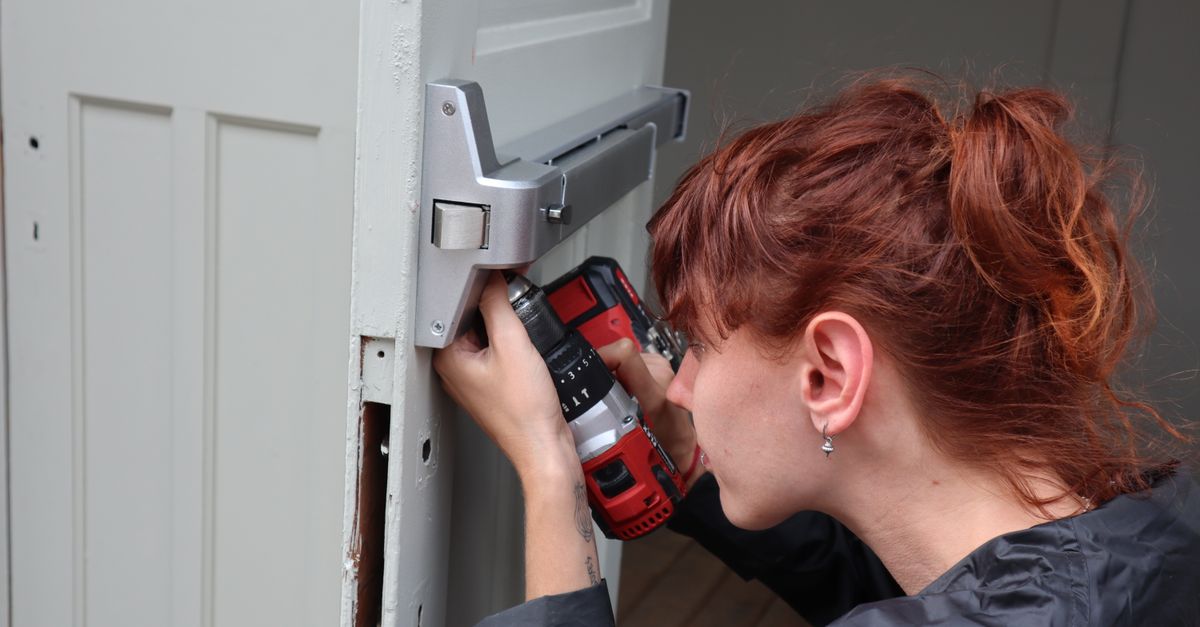
Our mobile locksmith team covers a broad range of residential, automotive, and commercial locksmith services throughout New York. On the residential side, we handle full mortise door lock replacement and repair, door knob lock installation, deadbolt installation, sliding door lock replacement, keypad door lock installation and programming, smart lock setup, rekeying single cylinders and entire apartment buildings, master key system design, mailbox lock replacement, gate lock installation, chain lock and door reinforcement hardware, and emergency lockout response for apartments and houses. For commercial locksmith work, we service office entry deadbolts, mortise lock bodies in commercial doors, panic bar and exit device installation, access control system rekeying, high-security cylinder upgrades, and storefront lock replacement. We also handle automotive locksmith calls: car lockouts, ignition cylinder repair, transponder key cutting and programming, and key fob replacement across most domestic and foreign vehicle makes. Every job — from a single rekeyed cylinder to a full commercial locksmith security overhaul — comes with an exact quoted price confirmed before we start work.
## Why Harlem Locals Trust Our Team — And Why You Should Act Before the Failure
The lock on your front door is the first and last line of defense for everyone inside. In a dense, high-activity neighborhood like Harlem — where buildings along 125th Street, Malcolm X Boulevard, and St. Nicholas Avenue see constant foot traffic and where pre-war hardware is the norm rather than the exception — a failing lock is not just an inconvenience. It is a genuine safety gap. Our team responds to the full range of scenarios: the 2 a.m. lockout, the landlord who needs six apartment units rekeyed before new tenants arrive, and the homeowner who noticed a sticking mortise lock three weeks ago and finally wants it sorted before it becomes an emergency. We show up, we diagnose honestly, and we do the work right the first time. Being available 24 hours a day, seven days a week is not a marketing line for us — it is the reality of how New York lock problems actually occur. If any of the five signs in this article sound familiar, do not wait for the complete failure. Call (646) 846-2026 now and let our experienced team take a look.
Frequently asked questions
How much does an emergency locksmith cost in NYC, and what affects the price?+
There is no single flat rate for emergency locksmith work in New York because several variables determine the final quote. The type of lock — a standard deadbolt versus a full mortise door lock, for example — is one of the biggest factors. The time of day, your location within the boroughs, the condition of your existing door and frame, and the specific hardware needed all contribute. What we commit to is confirming an exact price before any work begins, so you know the full cost upfront with no additions after the job is done. Call (646) 846-2026 for a same-day assessment.
How do I change the code on a keypad door lock after a tenant moves out?+
The process for changing a keypad lock code varies by manufacturer and model, but it generally involves holding a programming button inside the battery compartment while entering a master code, then entering and confirming a new user code. Your lock's manual will have the specific sequence. If the lock is behaving erratically, fails to save the new code, or repeatedly rejects input, that is a sign the unit itself may need to be replaced rather than just reprogrammed. Our team can assess the lock on-site and handle a new door lock installation if needed — call (646) 846-2026.
Can a mortise lock be repaired, or does it always need to be fully replaced?+
A mortise lock can often be repaired rather than fully replaced, depending on which component has failed. If only the cylinder is worn or damaged, replacing the cylinder inside the existing mortise body is a cost-effective fix that restores full function. If the internal springs, levers, or the mortise body itself are cracked or severely corroded, replacement of the full unit is the more reliable solution. An experienced locksmith can diagnose the difference during an on-site visit — attempting to guess without opening the mechanism often leads to unnecessary parts spending. Our team will give you an honest assessment and a clear recommendation either way.
How do I find a reputable locksmith in NYC I can actually trust?+
The most reliable signs of a trustworthy locksmith are local presence, a real person answering the phone, transparent pricing confirmed before any work starts, and demonstrated familiarity with the specific hardware common in New York buildings — particularly the pre-war mortise lock systems found throughout Manhattan. Be cautious of any locksmith who cannot provide a firm quote before starting work or who significantly changes the price once on-site. Harlem Trusted Locksmith is insured, serves the Harlem and greater NYC area around the clock, and operates with up-front pricing on every job. Call us at (646) 846-2026 any time.